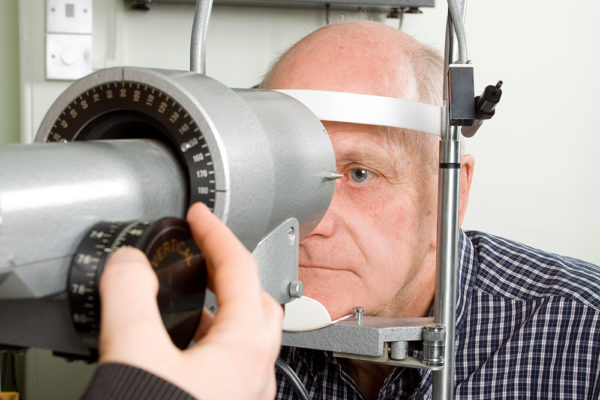
Please don’t take your vision for granted. Regular eye exams are the best way to preserve your precious sense of sight.
Comprehensive eye exams are designed to identify eye disease and defects, and to save your eyesight through early diagnosis and treatment. Many vision problems, such as glaucoma and diabetic eye disease, have no apparent signs or symptoms in their early stages. In most cases, early detection and treatment of eye diseases are the only ways to help reduce your risk of permanent vision loss.
What vital information can an eye exam provide?
In addition, conditions that affect other areas of your body are frequently diagnosed by ophthalmologists during a comprehensive eye exam. Your medical eye doctor has a clear view of the blood vessels within the eye, where signs of conditions affecting other areas of your body may be noticed. Diseases such as high cholesterol, diabetes, and high blood pressure may show up during such exams.
For example, your eye doctor may be able to detect signs of diabetes before your primary care physician does, especially if you’re overdue for a physical. This is because diabetes can cause changes in the eye, such as small amounts of bleeding and swelling, that can lead to permanent vision loss. For anyone with diabetes, we cannot stress the importance of scheduling routine comprehensive eye exams.
How often should you have a complete eye exam?
To maintain decent vision and keep your eyes healthy, we recommend having routine comprehensive eye exams. If you are younger and considered ‘not at risk’, an exam every two years may be sufficient for you. Refraction tests can determine whether prescription eyeglasses or contacts would be beneficial and what power is necessary.
However, if you are over forty or have diabetes, it is a good idea to be checked every six to twelve months. Ask your eye doctor about the consistency of eye exams that you should maintain. If you experience any changes in your vision between regularly scheduled visits with your eye specialist, you should schedule an appointment at East Valley Ophthalmology as soon as possible.
What’s the difference between a vision screening and a comprehensive eye exam?
Vision screenings are simple eye tests (typically involving black letters on a white background) designed to help identify individuals who may be at risk for vision problems or to determine fitness for tasks that require a specific level of vision, such as obtaining a driver’s license. Vision screening may indicate that you need to get your eyes checked, but it does not serve as a substitute for a comprehensive eye exam. Screenings often miss vital vision issues.
An employee, school nurse, pediatrician, or volunteers typically perform these screenings. Only an eye doctor can provide a comprehensive eye exam. Family physicians and pediatricians generally are not fully trained to accomplish this task.
How can you best protect your precious sense of sight?
90% of all eye injuries and 50% of blindness are preventable with routine eye care and protection. Patients come to us with a family history of eye disease, specific symptoms, as well as no symptoms, and for routine checks. We treat patients from the very active to those who are less active. The more active you are, especially in work or play, the more your eyes are at risk. Wearing protective eyewear during your activities may be an appropriate choice for you.
Based on the exam findings, a personalized treatment plan will be recommended. Your treatment plan may involve a new glasses prescription, or medical or surgical treatment for an eye disease or condition. If the exam finds your eyes healthy, you will be scheduled to return for your next eye exam in 12 to 24 months. No matter who you are, comprehensive eye exams are essential for seeing more clearly, learning more easily, and preserving your vision for a beautiful life.