Why Eye Exams Are Important

Please don’t take your vision for granted.  Regular eye exams are the best way to preserve your precious sense of sight.

Comprehensive eye exams are designed to identify eye disease and defects, and to save your eyesight through early diagnosis and treatment. Many vision problems, such as glaucoma and diabetic eye disease, have no apparent signs or symptoms in their early stages. In most cases, early detection and treatment of eye diseases are the only ways to help reduce your risk of permanent vision loss.

What vital information can an eye exam provide?

In addition, conditions that affect other areas of your body are frequently diagnosed by ophthalmologists during a comprehensive eye exam. Your medical eye doctor has a clear view of the blood vessels within the eye, where signs of conditions affecting other areas of your body may be noticed. Diseases such as high cholesterol, diabetes, and high blood pressure may show up during such exams.

For example, your eye doctor may be able to detect signs of diabetes before your primary care physician does, especially if you’re overdue for a physical. This is because diabetes can cause changes in the eye, such as small amounts of bleeding and swelling, that can lead to permanent vision loss.  For anyone with diabetes, we cannot stress the importance of scheduling routine comprehensive eye exams.

How often should you have a complete eye exam?

To maintain decent vision and keep your eyes healthy, we recommend having routine comprehensive eye exams. If you are younger and considered ‘not at risk’, an exam every two years may be sufficient for you. Refraction tests can determine whether prescription eyeglasses or contacts would be beneficial and what power is necessary.

However, if you are over forty or have diabetes, it is a good idea to be checked every six to twelve months. Ask your eye doctor about the consistency of eye exams that you should maintain. If you experience any changes in your vision between regularly scheduled visits with your eye specialist, you should schedule an appointment at East Valley Ophthalmology as soon as possible.

What’s the difference between a vision screening and a comprehensive eye exam?

Vision screenings are simple eye tests (typically involving black letters on a white background) designed to help identify individuals who may be at risk for vision problems or to determine fitness for tasks that require a specific level of vision, such as obtaining a driver’s license. Vision screening may indicate that you need to get your eyes checked, but it does not serve as a substitute for a comprehensive eye exam. Screenings often miss vital vision issues.

An employee, school nurse, pediatrician, or volunteers typically perform these screenings. Only an eye doctor can provide a comprehensive eye exam. Family physicians and pediatricians generally are not fully trained to accomplish this task.

How can you best protect your precious sense of sight?

90% of all eye injuries and 50% of blindness are preventable with routine eye care and protection. Patients come to us with a family history of eye disease, specific symptoms, as well as no symptoms, and for routine checks. We treat patients from the very active to those who are less active. The more active you are, especially in work or play, the more your eyes are at risk. Wearing protective eyewear during your activities may be an appropriate choice for you.

Based on the exam findings, a personalized treatment plan will be recommended. Your treatment plan may involve a new glasses prescription, or medical or surgical treatment for an eye disease or condition. If the exam finds your eyes healthy, you will be scheduled to return for your next eye exam in 12 to 24 months. No matter who you are, comprehensive eye exams are essential for seeing more clearly, learning more easily, and preserving your vision for a beautiful life.
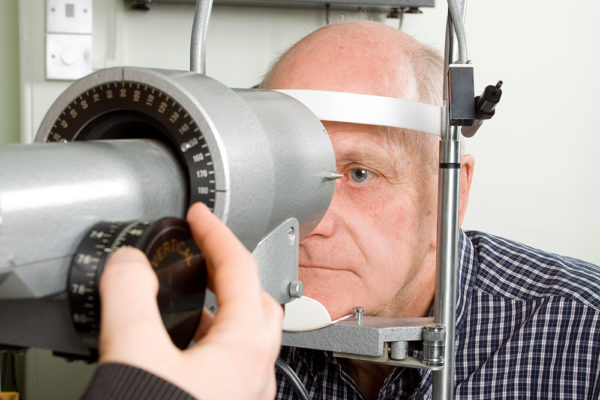
Why are eye exams important?

Below are a few health issues that your ophthalmologist may discover during an eye exam – click on each section to view its contents:

Ophthalmologists can diagnose a wide range of diseases and medical conditions by examining the retina, the light-sensitive tissue located at the back of the eye. One condition that medical eye doctors sometimes find is HIV/AIDS, which causes the severe and potentially blinding inflammation of the retina.

If the eye is inflamed, this may be a sign of Lupus or another autoimmune disorder.

If your eye doctor notices that the structure of your eye is unusual, you may be referred to a specialist. Ocular melanoma can develop in the pigment cells of the eye.

Your eye exam can also help detect skin cancer. Basal cell carcinomas can appear on the eyelid, often causing a sore that doesn’t heal and the loss of eyelashes. And it’s not something to be ignored. Although basal cell skin cancers are not usually fatal, they can cause severe disfigurement, blindness, and even death if they spread to the brain through the eye.

Metastatic cancer

Sometimes, cancer that arises elsewhere in the body first appears in the eyes. The two most common cancers that spread to the eye are lung cancer in men and breast cancer in women.

A clouding of the lens inside the eye is typically a cataract, which can be corrected with surgery.  They are most often seen in seniors. Cataracts that arise in younger people can have a variety of causes, including trauma, tumors, and diabetes, as well as side effects from certain medications, such as steroids.

A chalazion may appear to be a tumor under the skin, but it’s actually a blocked oil gland. This hard, painless mass is most common in individuals with oily skin and typically develops over a few days.

Lots of people have diabetes and don’t know it. Diabetes often affects the small capillaries in the retina of the eyes. These blood vessels may leak blood or a yellowish fluid, which an ophthalmologist can observe. If your eye doctor notices this condition, you may have a condition called diabetic retinopathy.

The cornea may have a yellowish appearance or a yellow ring around it, which can be a sign of high cholesterol. Some people develop a gray ring around the edge of the cornea. The ring, called arcus senilis, often goes hand in hand with high cholesterol and triglycerides, and an increased risk for heart attack and stroke. There may also be plaques in the blood vessels of the retina, which could indicate elevated cholesterol.  Anyone with the condition should undergo a blood test to check for elevated blood lipids, especially those under the age of 60.

A potentially dangerous combination is droopy eyelids and pupils of different sizes. If you notice this condition when looking in a mirror, see a doctor immediately. The condition, which doctors call Horner’s syndrome, could indicate a neck tumor or an aneurysm.

Eye doctors can detect evidence of high blood pressure by looking at the retina. The pressure causes tiny blood vessels in the retina to exhibit bends, kinks, or tears. This can identify a person who is at high risk for a devastating stroke.

Marfan’s Syndrome is a genetic disorder that affects the connective tissue in the body. The condition is sometimes diagnosed by eye doctors who observe characteristic changes in the string-like tissue that holds the eye’s crystalline lens in place.

Myasthenia gravis is an autoimmune disease characterized by muscle weakness. Ptosis, or droopy eyelids, can be evidence of this disease.  Medical treatment is available for this potentially deadly disease, but the condition in milder forms can be challenging to diagnose. Sometimes, it is first diagnosed by an ophthalmologist.

One of the telltale signs of an overactive thyroid is bulging eyes or protruding eyeballs. This condition is known as exophthalmos, and it’s a common symptom of Graves’ disease. In addition to bulging eyes, people with Graves’ often experience weight loss, nervousness, and a rapid or irregular pulse.